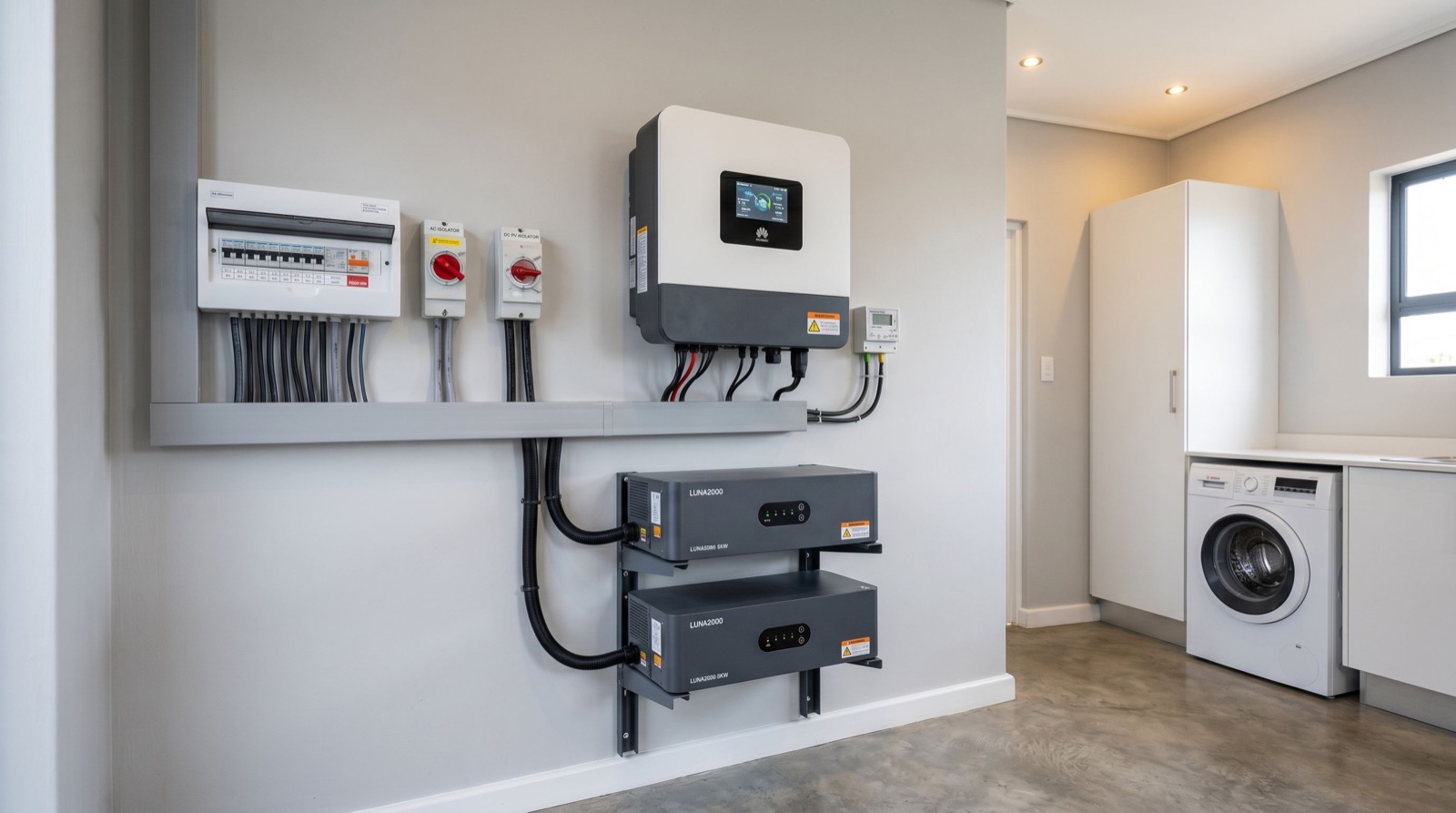
The panels on your roof get all the attention, but the grey box on your wall decides whether the investment actually pays off. A hybrid solar inverter converts DC power from the modules, manages battery charging, and shifts your home between grid, solar and storage without a flicker. Pick the right one and it hums along quietly for a decade. Pick the wrong one and you join the crowd of homeowners hauling dead units back to the market every June.
In 2026, longer loadshedding windows and revised net metering rules have made hybrid units the default choice for households from Karachi to Kohat. That surge in demand has pulled in a flood of low-grade imports and clever repackaging. Below are the seven mistakes buyers repeat most often, plus the simple checks that prevent each one.
Why a Hybrid Solar Inverter Deserves More Homework Than Panels
Solar panels are close to a commodity now. Most modules from reputable factories will produce within a few percent of each other for twenty years. Inverters are different. They are dense power electronics sweating through 45 degree afternoons, and they fail far more often than panels do.
The International Renewable Energy Agency, whose market research at IRENA tracks global solar deployment and lifetime costs, points out that component replacement drives a large share of what a system costs over its life. In plain terms, the inverter is usually the first thing you will replace, so it deserves the most scrutiny on day one.
The 7 Mistakes That Cost Inverter Buyers the Most
1. Sizing for today’s load only
Families add air conditioners, water pumps and freezers faster than they expect. An inverter running near full capacity all afternoon ages quickly. Leave 25 to 30 percent headroom above your measured peak load.
2. Ignoring battery voltage and chemistry
A 24V unit cannot run a 48V lithium bank, and many budget models only handle lead acid charging profiles properly. Confirm the built-in charger supports the exact battery chemistry you plan to use, even if the batteries come next year.
3. Trusting the sticker instead of the datasheet
The number printed on the casing is often peak output, not continuous. Ask for the datasheet and read the continuous rating, surge rating and derating at high temperature. If the seller cannot produce a datasheet, walk away.
4. Buying grey stock with no local service center
A unit smuggled in without official import papers carries no claimable warranty. Authorized dealers offering a genuine hybrid inverter in Pakistan can quote a warranty card number you can verify with the national distributor before paying. That single phone call filters out most fakes.
5. Overlooking surge capacity
Water pumps, refrigerators and older ACs draw three to five times their running wattage at startup. If the surge rating is below twice the continuous rating, motor loads will trip the unit or slowly cook its power stage.
6. Skipping the cooling and ingress rating
Dust across KPK and Punjab kills cooling fans, and dead fans kill inverters. Favor sealed IP65 designs or units with serviceable filters, and never mount any inverter where direct sunlight hits the casing.
7. Pairing premium electronics with bargain modules
Even an excellent inverter cannot fix degraded or mismatched panels feeding it unstable voltage. When you buy solar panels in Pakistan, match the string voltage to the inverter’s MPPT window with margin for cold mornings, and ask for flash test reports on the modules.
How Do You Verify a Genuine Hybrid Inverter Before Paying?
Verification takes ten minutes and saves years of regret. Run these checks in order, at the counter, before money changes hands:
- Scan the QR code or serial number on the unit and confirm it on the manufacturer’s official website, not on a sticker printed by the shop.
- Call the listed national distributor and ask whether that serial appears in their import records.
- Lift the unit if you can. Counterfeits routinely weigh 2 to 4 kg less because copper and heatsink metal are expensive.
- Request a demonstration under a real load, not just a powered-on display.
- Have the warranty registered in your name before you leave the shop.
This habit applies well beyond solar. Whenever you compare quality service providers for any recurring home need, verification beats a confident sales pitch every single time.
Quick Spec Checklist Before You Buy
Screenshot this table and keep it open at the shop. Any unit that misses two or more rows is not worth a discount.
| Spec | Minimum to accept | Why it matters |
|---|---|---|
| Peak efficiency | 97 percent or higher | Every lost percent is power you paid panels to make |
| Surge rating | 2x continuous power | Pumps and ACs need it at startup |
| MPPT voltage window | Wide range, roughly 120 to 450V | Flexibility for future panel strings |
| Ingress protection | IP65 or cleanable filters | Dust is the number one killer here |
| Warranty | 5 years, claimable locally | A foreign-only warranty is worth nothing |
Prices change with the rupee, but physics does not. A unit that passes all five rows at a modestly higher price will almost always outlive a discounted unit that misses them, because replacement labor, downtime and a second purchase erase the saving within a summer or two. Negotiate on accessories and installation instead of accepting weaker specs.
Frequently Asked Questions
What size hybrid solar inverter does an average home need?
A small household running lights, fans and a refrigerator usually fits within 3kW. Add one or two inverter ACs and a water pump, and 6kW becomes the sensible floor. Measure your real peak with a clamp meter rather than guessing, because nameplate math routinely overstates what actually runs at once.
Can I install a hybrid inverter now and add batteries later?
Yes, and it is a smart way to spread cost. Buy the inverter with the battery voltage and chemistry already decided, run it grid-tied for now, then add the bank when your budget allows. No rewiring needed if you planned ahead.
How long should a quality hybrid inverter last?
A well-ventilated, properly sized unit from a reputable brand typically serves 8 to 12 years. Cheap units in hot, dusty rooms often fail within 2 to 3 summers, which is why the purchase checks above matter so much.
The Bottom Line
A hybrid solar inverter is the hardest working component in your system and the easiest one to get wrong. Size it with headroom, verify the serial before paying, and insist on a locally claimable warranty. None of these checks require technical training, only the patience to ask before you pay. Do those three things in 2026 and your system will quietly outlast every bargain buy on the street.