How to Choose the Best Solar Company in 2026: A Practical Checklist
Switching to solar is a 25-year decision, so the installer you pick matters as much as the panels themselves. Finding the Best Solar Company for your home or business in 2026 is less about chasing the cheapest quote and more about judging engineering quality, after-sales service, and warranty honesty. This checklist walks you through exactly what to verify before you sign, so you end up with a system that still performs a decade from now.
Pakistan’s solar market has exploded, and with it a wave of fly-by-night vendors. Separating genuine engineering firms from box-shifters is the single most valuable skill a buyer can have this year.
What Makes the Best Solar Company Stand Out?
Top installers share a handful of habits that weaker competitors skip. Use these as your filter:
- They survey your roof in person before quoting.
- They provide a single-line diagram and a clear bill of materials.
- They name exact panel and inverter brands and models — never vague “Tier-1” claims.
- They offer a separate workmanship warranty on top of the manufacturer warranty.
- They handle the full net metering application for you.
If a vendor cannot meet all five, keep looking. The gap between a careful installer and a careless one shows up in year three, not year one.
Experience and Local Track Record
Ask how many systems the company has commissioned in your city and request references you can actually call. A firm with dozens of documented local installs understands roof types, shading, and the paperwork quirks of your distribution company. For example, buyers arranging solar installation in Lahore benefit from an installer who already knows LESCO’s net metering process end to end.
The Equipment Behind the Quote
A low price often hides low-tier hardware. Before comparing numbers, make sure you are comparing like for like.
| Component | What to Demand | Red Flag |
|---|---|---|
| Panels | Tier-1 mono PERC or N-type, 25-yr warranty | Unnamed brand, “A-grade” only |
| Inverter | Reputable brand with local service | No warranty card or app |
| Mounting | Hot-dip galvanised or aluminium | Painted mild steel that rusts |
| Cabling | DC-rated solar cable, proper gauge | Thin generic wire, poor routing |
| Warranty | Written workmanship + product terms | Verbal promises only |
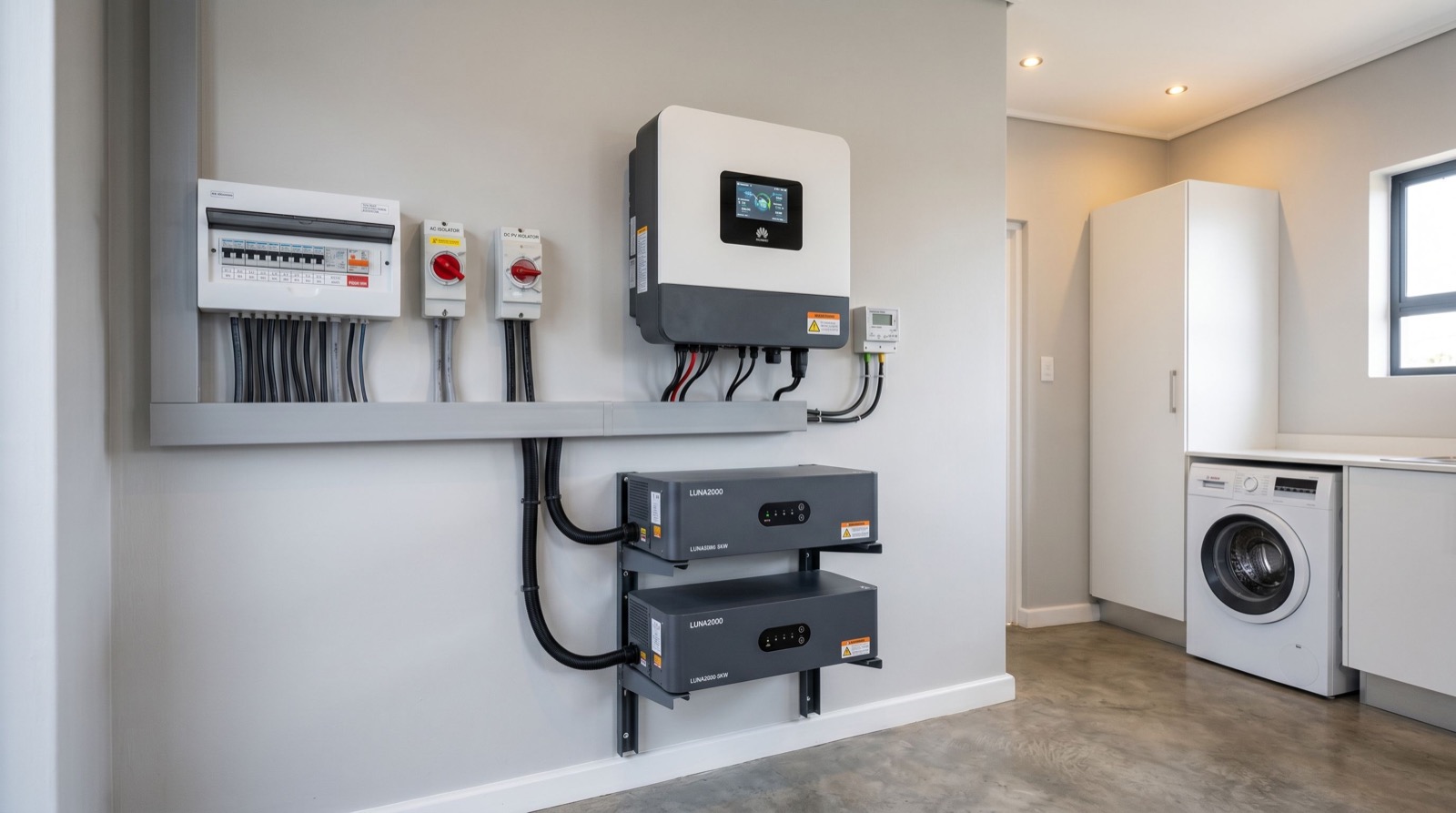
The inverter deserves special attention because it works hardest and fails most often. Choose a brand with genuine local service support so a fault means a quick repair, not months of downtime.
Comparing Quotes the Right Way
Collect at least three written quotes, then normalise them before judging. Follow these steps:
- Match system size. Compare quotes at the same kW rating and panel count.
- Separate hardware from labour. A transparent breakdown reveals where corners are cut.
- Check production estimates. Honest firms give conservative daily-unit figures, not inflated ones.
- Weigh service, not just price. A slightly higher quote with real support usually wins over five years.
Homeowners who treat installers as quality service providers — partners for the system’s life, not one-time sellers — consistently report fewer problems and better long-term output.
Certifications and Compliance
Confirm the company builds to recognised standards and will deliver a system that passes your distribution company’s inspection. Net metering in Pakistan follows a framework set by the National Electric Power Regulatory Authority (NEPRA), and a competent installer manages that approval without surprises.
Why Do Cheap Systems Cost More Later?
A bargain install can quietly erode its own savings. Undersized cables lose energy as heat, low-tier panels degrade faster, and a no-name inverter can strand you for months when it fails. Add those hidden costs up and the “expensive” quote often turns out cheaper across the warranty period. Prioritising value over sticker price is the hallmark of choosing the Best Solar Company.
For broader context on how solar continues to drive down global generation costs, the International Renewable Energy Agency (IRENA) publishes annual cost data worth reviewing.
Questions to Ask Before You Sign
- What exact panel and inverter models will you install?
- What does your workmanship warranty cover, and for how long?
- Will you handle the net metering application end to end?
- What is your response time for a service call?
- Can you share three local references from the last year?
Frequently Asked Questions
How do I know if a solar company is reliable?
Verify a local track record, named equipment brands, a written workmanship warranty, and real references. A reliable firm surveys your roof in person and manages the net metering paperwork for you.
Should I always pick the cheapest quote?
No. The cheapest quote often hides low-tier panels, thin cabling, or no after-sales support. Compare quotes at the same system size and weigh service quality, because hidden shortcuts cost more over 25 years.
What warranty should the best solar company offer?
Expect a 25-year panel performance warranty, a multi-year inverter warranty, and a separate workmanship warranty on the installation itself. Get every term in writing before you pay.
How long does a professional installation take?
Most residential systems are installed in one to three days, though net metering approval can add a few weeks depending on your distribution company’s processing time.
Service and Monitoring After Installation
The relationship should not end when the inverter powers up. The best firms stay reachable and proactive. Confirm what ongoing support looks like before you sign:
- Remote monitoring. A good installer watches your system’s output through the inverter’s portal and flags faults early.
- Defined response times. Ask for a written commitment on how fast they attend a service call.
- Spare-part access. Brands with local stock mean a failed inverter is replaced in days, not months.
- Periodic cleaning advice. Dust and bird droppings cut output; a responsible firm tells you how and when to clean.
A Tip From Experienced Buyers
Before you pay the balance, ask the installer to walk you through the inverter’s monitoring app on your own phone. If they can show you live production, string-level data, and alert settings on the spot, the installation is almost certainly configured correctly. If they fumble, that is a warning sign worth heeding.
Conclusion
Finding the Best Solar Company in 2026 comes down to disciplined comparison: insist on in-person surveys, named Tier-1 equipment, written warranties, and genuine local references. Gather three normalised quotes, ask the hard questions above, and favour the installer who treats your system as a long-term relationship. Do that, and you will enjoy decades of clean, low-cost power with no unwelcome surprises.